Blink Sync Module 2 Bundle Review: Smart Local Camera Control
Noah Norwood 20 Nov 2026 9 min read ASIN B084RQ6MHJ
This product against the Smart Home median
| Figure | This product | Category median | Where it sits |
|---|---|---|---|
| Our score Our score, out of 10. | 9.8/10 | 8.8/10 n=101 | 11% higher than the median |
| Spec fields published How many attributes the seller fills in on the listing. | 4 | 5.5 n=102 | 27% fewer than the median |
Medians are taken across the 102 published reviews in Smart Home; n on each row is how many of them publish that figure. The notch on every bar marks the median, so a fill reaching past the notch sits above it. Scores are out of 10, based on listed specifications and buyer feedback.

- Brand
- Blink
- Our score
- 9.8/10
- Spec fields
- 4 attributes on the listing
As Amazon Associates, we earn from qualifying purchases. This means we may receive a small commission at no extra cost to you if you click through and make a purchase.
Securing a dedicated entertainment center, private gaming room, or whole-home media network requires reliable peripheral management, which makes choosing the right camera controller essential. If you are exploring whether investing in a Blink Sync Module 2 bundle makes sense for your property, the short answer is that it offers a practical, fee-free bridge for users who want centralized device orchestration alongside offline media archiving. Rather than locking your recorded video clips behind ongoing monthly platform memberships, this compact hardware module provides dedicated local clip routing to an external thumb drive, keeping your network traffic and hardware management centralized within a unified software ecosystem.
This comprehensive hardware breakdown analyzes the capabilities, trade-offs, and ecosystem compatibility of the central Blink controller. We evaluate how the system handles clip retrieval, physical media connectivity, multi-camera coordination, and general day-to-day usability for high-tech spaces. Continue reading to discover the detailed hardware specifications, setup requirements, functional limitations, and alternative solutions to determine whether this network hub belongs in your smart home inventory.
What You Get With the Blink Sync Module 2 162 words
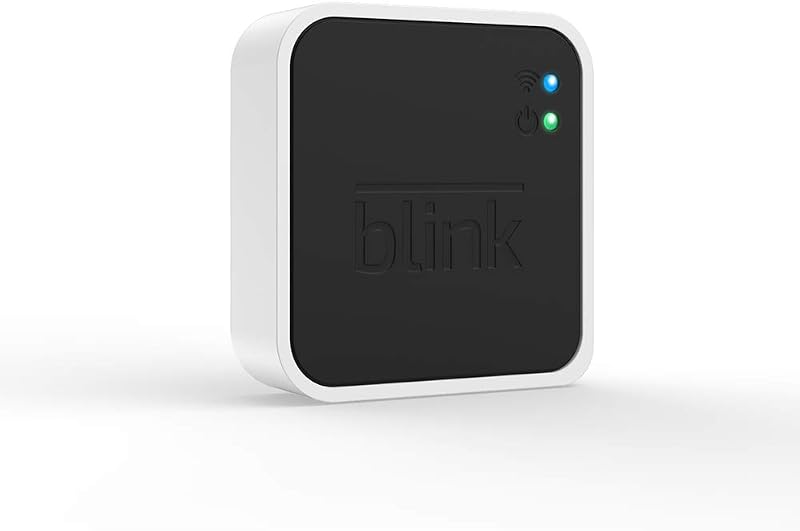
The Blink Sync Module 2 functions as the command bridge between your network router, wireless cameras, and local physical media storage. The product listing specifies several core features and ecosystem capabilities designed for managing multiple cameras under a single control unit:
- Centralized device control across supported hardware through the Blink Home Monitor app
- Device capacity connecting up to 10 total Blink units, including Outdoor, Indoor, Video Doorbell, XT2, XT, and Mini units (noting that the Mini does not strictly require the module to operate)
- Local video clip recording and file management for up to 10 Outdoor, Indoor, Video Doorbell, and Mini cameras
- Onboard USB flash storage port supporting drive capacities up to 256 GB (flash drive sold separately)
- Zero mandatory monthly fees required to configure and run the offline local storage features
- In-app clip access allowing owners to view, share, or download locally saved video events at any time
- Manual storage access enabling drive removal for direct video viewing on a personal computer
Key Specifications 118 words
Hardware Attribute Specification Detail
- Maximum Connected Devices
- Up to 10 Blink devices per sync module
- Local Storage Support
- USB Type-A port supporting flash drives up to 256 GB
- Storage Media Included
- None (USB flash drive sold separately)
- Live View Recording
- Not supported on local USB storage
- Subscription Requirement
- No monthly fees required for local video storage
- Compatible Local Storage Cameras
- Blink Outdoor, Indoor, Video Doorbell, and Blink Mini
- Legacy System Compatibility
- Connects XT2, XT, and 1st Gen Indoor (system control only; local storage unsupported)
- Control Application
- Blink Home Monitor app
- Included Box Contents
- The listing does not specify
Fields the seller filled in on the Amazon listing (4)
- Color
- WHITE
- Dimensions
- 2.44094 x 2.32283 x 0.70866 inches
- Product Group
- Digital Devices 12 Accessories
- Binding
- Electronics
Storage Flexibility and Media Handling 312 words
The standout appeal of configuring a Blink Sync Module 2 bundle lies in ditching recurring monthly cloud fees. By inserting an external USB flash drive into the side of the unit, the device acts as a localized digital video recorder for your connected indoor and outdoor cameras. When any synced camera detects motion, the captured video event is piped through your local wireless network, processed through the module, and saved onto the physical drive. For media enthusiasts and technology hobbyists who prioritize data ownership, having raw MP4 video clips saved right inside your entertainment rack or office desk provides peace of mind that purely cloud-reliant systems struggle to match.
Managing those video clips remains surprisingly flexible whether you prefer working within mobile applications or desktop operating systems. Through the companion mobile app, you can browse through your chronological clip timeline, play back motion events, download relevant files directly to your smartphone, or share clips with family members. When you want to archive large volumes of footage or review clips on a high-refresh-rate gaming monitor, you simply unplug the drive and connect it directly to your PC or laptop. While newer gear like the blink sync module xr local storage system explores broader connectivity envelopes, this standard unit handles routine local file writes with minimal operational fuss.
It is crucial, however, to understand the exact scope of what physical media recording entails under this hardware configuration. The module exclusively archives automated motion-activated events; it does not support recording live view monitoring sessions to the USB stick. If you trigger an active real-time video feed to inspect an exterior patio or monitor a gaming setup while away, that live stream cannot be written to the local storage drive. For users who primarily want an event-driven archive that catalogs arrivals, motion spikes, and perimeter triggers without cloud dependence, the storage architecture achieves its primary goal effectively.
Managing Multi-Camera Setups Across Connected Spaces 253 words
Enthusiasts outfitting large properties, home studios, or multi-room entertainment setups frequently deal with network congestion and cumbersome peripheral management. The Sync Module 2 resolves this by acting as a single traffic director for up to 10 distinct cameras. Rather than each wireless camera maintaining an independent high-overhead link to your primary wireless router, the sync module coordinates communication, camera sleep states, and activity wake triggers. This structure preserves wireless bandwidth and helps maintain stable low-latency performance across your high-speed home network, ensuring gaming sessions and streaming video remain uninterrupted.
Deploying the hub alongside multi-camera collections such as the blink camera system 4th gen creates a cohesive defensive grid that covers front entryways, server closets, game rooms, and back garages under one consolidated dashboard. Within the mobile interface, users can arm or disarm all 10 linked cameras simultaneously or configure specific coverage groupings. Because the module offloads communication tasks, individual wireless units do not constantly flood your local area network with unnecessary handshake signals until a sensor registers an actual physical event.
The primary constraint to keep in mind is the hard ceiling of 10 managed hardware devices per single module. If your property demands extensive coverage spanning dozen-camera arrays, perimeter sensors, and multiple outbuildings, you will need to incorporate secondary sync modules into your environment. Furthermore, because a single USB drive handles all inbound motion recordings across the entire connected camera group, heavily trafficked locations will write to the media simultaneously or consecutively, meaning fast, durable USB flash drives are strongly recommended to maintain smooth recording handshakes.
System Compatibility and Hardware Limitations 274 words
Understanding ecosystem compatibility is critical prior to integrating the module into existing smart home setups. The Sync Module 2 operates smoothly with modern hardware lines, including current Outdoor and Indoor units, the Mini line, and entry monitors like the blink doorbell camera wireless. These modern devices take full advantage of both network coordination and local flash drive recording. For plug-in hardware like the Blink Mini, the sync module is not technically required for primary setup, but adding one is the only way to enable fee-free local storage capabilities for that specific unit.
Ecosystem owners retaining older, legacy hardware must take note of important functional caveats. While legacy devices such as the Blink XT, Blink XT2, and original first-generation Indoor cameras can technically pair with the Sync Module 2 for system management and arming commands, they are completely incompatible with the local USB video storage feature. If you pair these legacy cameras with the module, motion clips generated by those specific cameras cannot be saved to the inserted thumb drive, requiring cloud connectivity for video storage instead. Verifying your existing hardware inventory prevents unexpected operational friction during deployment.
Physical hardware prerequisites represent another element where users must plan ahead. While the module features an integrated Type-A USB port that accommodates memory drives up to 256 GB, no storage media is included in the package. Shoppers must provide their own compatible flash drive to enable the recording features out of the box. Additionally, because the listing does not specify whether mounting brackets or specific extension hardware are bundled inside, planning for a stable, elevated location near an electrical outlet and your central Wi-Fi router remains the best deployment strategy.
Blink Sync Module 2 Pros and Cons 54 words
Pros
Pros
- Supports local video storage up to 256 GB
- No monthly subscription fees required
- Connects up to 10 Blink devices simultaneously
- In-app clip playback and direct PC export
- Centralizes camera management to reduce network traffic
Cons
- USB flash drive sold separately
- Does not support live view recording
- No local video storage for legacy XT models
Is the Blink Sync Module 2 Worth It 235 words
Determining whether the Blink Sync Module 2 justifies a place in your smart home network comes down to how much you value local data ownership and subscription elimination. For users who already deploy or plan to purchase current-generation Blink cameras, this device is practically mandatory. It liberates your security setup from recurring monthly platform overhead, provides centralized control over up to 10 cameras, and preserves your internet uplink speed by routing video storage directly to physical storage media located right inside your living room or workspace.
Gamers, home theater builders, and privacy-conscious users will find the offline storage approach especially practical. Having continuous, fee-free access to your clip library via the mobile app, alongside the mechanical simplicity of removing the flash drive to review footage on a computer monitor, strikes a balanced compromise between convenience and local control. The hardware avoids complexity, allowing you to establish a functional multi-room camera perimeter without needing enterprise server racks or network-attached storage expertise.
On the other hand, shoppers seeking enterprise-grade security surveillance with continuous 24/7 video streaming, live view recording, or massive multi-terabyte arrays may find the 10-camera limit and event-only recording constraints somewhat restrictive. If you possess older XT-series cameras and expect them to suddenly record to a USB stick, this hardware will disappoint due to legacy firmware limits. However, for everyday homeowners and smart entertainment space curators seeking reliable, fee-free camera orchestration, the Sync Module 2 delivers exceptional practical utility.
Other Options to Consider 59 words
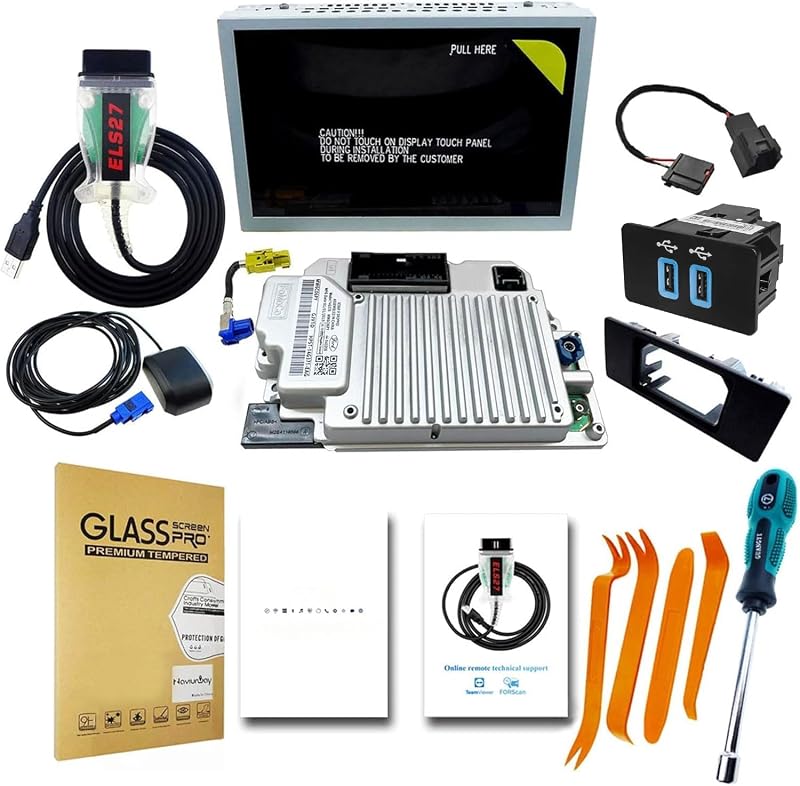
2024 SYNC 2 to SYNC: This alternative product represents an automotive infotainment upgrade kit designed specifically for Ford and Lincoln vehicles running MyFord Touch systems rather than a home security bridge, catering strictly to drivers who want an 8-inch SYNC 3.4 multimedia console upgrade with a wired hub and APIM module inside their car rather than property camera management.
FAQ 214 words
Does the Blink Sync Module 2 require a monthly subscription?
No monthly subscription fees are required to use the local video storage functionality of the Blink Sync Module 2. Once you plug in a compatible USB flash drive (up to 256 GB, sold separately), motion clips from supported cameras record directly to physical media without recurring charges.
What is the maximum USB drive capacity supported by the device?
The unit supports standard USB flash drives with storage capacities up to 256 GB. The storage drive must be purchased separately, as the listing does not include physical storage media with the module itself.
Can you record live view feeds directly to the USB drive?
No, the Blink Sync Module 2 does not support live view recording to local storage. The USB drive exclusively stores automated motion-activated alert clips captured by your connected cameras.
Are legacy Blink XT and XT2 cameras compatible with local storage?
While legacy hardware like the Blink XT, XT2, and first-generation Indoor cameras can connect to the module for general system control, local video storage functionality is not compatible with these older camera models.
How many cameras can connect to a single Sync Module 2?
A single module can connect and coordinate up to 10 individual Blink devices, including Outdoor, Indoor, Video Doorbell, and Mini cameras across your property.