Blink Sync Module XR Local Storage: High-Capacity Security Without Cloud Fees
Noah Norwood 22 Sep 2026 9 min read ASIN B0D715PVDQ
This product against the Smart Home median
| Figure | This product | Category median | Where it sits |
|---|---|---|---|
| Buyer score Average star rating left by Amazon buyers, out of 5. | 4.0 / 5 | 4.5 / 5 n=27 | 11% lower than the median |
| Spec fields published How many attributes the seller fills in on the listing. | 2 | 6.0 n=27 | 67% fewer than the median |
Medians are taken across the 27 published reviews in Smart Home; n on each row is how many of them publish that figure. The notch on every bar marks the median, so a fill reaching past the notch sits above it. Buyer score is the average star rating left by Amazon buyers, not a score from this site.

- Brand
- Blink
- Buyer score
- 4.0 / 5 average from Amazon buyers
- Spec fields
- 2 attributes on the listing
As Amazon Associates, we earn from qualifying purchases. This means we may receive a small commission at no extra cost to you if you click through and make a purchase.
Evaluating modern smart home security hardware often comes down to balancing monthly operational expenses against data privacy and clip availability. If you are looking to retain video evidence without paying for continuous cloud tiers, the Blink MicroSD Card for Sync Module XR offers a dedicated hardware pathway to achieve independent recording. Installing proper blink sync module xr local storage gives property owners a private, centralized repository for motion events across their entire property. By pairing this high-capacity memory module directly with your central hub, you keep security records under your physical control without being locked into recurring service plans.
Choosing dedicated local storage requires looking closely at real-world network routing, write handling across multiple cameras, and how the mobile app behaves when reading files from local flash memory. This review examines whether investing in the official blink sync module xr microsd card makes sense for your household security goals, details the core specifications, and explains what to anticipate regarding video playback responsiveness. We also walk through the physical setup workflow, outline compatibility boundaries across camera generations, and look at alternative hardware configurations.
What You Get With the Blink MicroSD Card for Sync Module XR 93 words

The product package focuses strictly on expanding your system memory, providing the essential storage component needed to activate the recording slot on your central module.
- One 256GB Blink MicroSD card designed specifically for the Sync Module XR.
- Dedicated local storage capacity engineered to save thousands of motion events.
- Support for recording and archiving footage across up to 10 connected Blink cameras.
- Access to view, share, and download clips through the Blink mobile application without subscription fees.
- Direct hardware matching that functions exclusively with the Sync Module XR.
Key Specifications 76 words
Attribute Detail
- Product Name
- Blink MicroSD Card for Sync Module XR
- Brand
- Blink
- Storage Capacity
- 256 GB
- Included Items
- Includes one MicroSD card
- Supported Devices
- Up to 10 Blink cameras per Sync Module XR
- Hub Compatibility
- Sync Module XR only (not compatible with Sync Module 2 or legacy Sync Modules)
- Camera Incompatibility
- Incompatible with Blink XT, XT2, and legacy Indoor cameras
- Subscription Requirements
- No monthly fees required for local video storage
- Speed Class Rating
- The listing does not specify
Storage Capacity and Multi-Camera Handling 276 words
Managing security video across an entire perimeter requires significant digital real estate and stable directory structures. Deploying the official blink sync module xr 256gb card provides sufficient room for thousands of recorded clips, meaning busy entryways and active backyards will not immediately fill up the drive. The module supports recording from up to 10 Blink cameras simultaneously, allowing homeowners to link their entire property footprint to a unified hub. Connecting multiple sensors, such as the blink outdoor 4 xr camera system, ensures that every detection point sends its video packets back to one localized memory unit.
In standard residential environments, a 256GB storage volume serves as a substantial operational buffer. Security cameras typically record short, compressed video files whenever motion triggers an alert, meaning a standard event consumes only a modest number of megabytes. When several cameras record at the same time—such as a visitor approaching the front walkway while a pet triggers a side camera—the Sync Module XR handles the simultaneous writes directly to the card directory. This unified architecture avoids fragmenting video files across individual cameras and keeps clip organization organized under a single device list.
Flash endurance is an important consideration when directing multiple video streams to a single card. While the listing does not specify detailed technical metrics such as maximum terabytes written or specific controller wear-leveling ratings, having 256GB of raw space inherently helps preserve memory lifespan. Because write cycles distribute across a larger pool of memory blocks, the card controller avoids repeatedly overwriting the exact same physical sectors. This generous capacity provides peace of mind for users who leave motion detection active around the clock across all paired security units.
Setup and App Integration 265 words
Executing the blink sync module xr local storage setup is a straightforward process designed for quick deployment without complex network configuration. The user inserts the MicroSD card into the dedicated storage slot on the Sync Module XR until the locking mechanism engages. The Sync Module XR detects the newly inserted card through the Blink app, prompting an automated initial format to prepare the file system. When integrating recent hardware like the blink camera system 4th gen, the application maps local storage privileges automatically, routing incoming clips to the card without requiring custom IP or port assignments.
Daily clip review takes place directly inside the standard Blink mobile app interface. Instead of routing requests exclusively through remote web servers, the app requests the clip directory hosted on the Sync Module XR. Recorded clips appear chronologically, complete with timestamp data so users can track activity over days and weeks. The software allows users to view, share, and download locally stored clips directly to their phones, ensuring that managing offline security files does not require manually removing the card to insert it into a computer.
System maintenance remains simple once the initial pairing and formatting sequence concludes. The Blink mobile application tracks the remaining storage volume on the 256GB card, alerting users if the card ever nears maximum capacity. If you need to preserve specific evidence or free up space, clips can be exported to your smartphone’s internal media storage or shared via standard mobile communication tools. This design keeps the mobile convenience of smart security intact while isolating the actual storage medium entirely on your local premises.
Local Video Playback Performance and Network Throughput 266 words
Evaluating blink local video storage performance requires an understanding of how data flows between the camera, the hub, and your phone. When a camera detects an event, it transmits the footage wirelessly to the Sync Module XR, which writes the raw file directly to the MicroSD card. Accessing sync module xr local video playback means your mobile device must query the hub over your local Wi-Fi network or external mobile data connection. Consequently, retrieval responsiveness depends heavily on internal wireless network speed and the processing capabilities of the Sync Module XR itself.
Unlike cloud servers that push video streams via high-bandwidth external content delivery networks, retrieving footage from a local hub introduces minor operational buffering. When accessing clips captured by modern equipment such as blink cameras xr, the Sync Module XR must locate the file on the MicroSD card, assemble the video stream, and deliver it to your screen. This transfer sequence can cause a brief pause of a few seconds before the clip starts playing. For security-minded homeowners prioritizing subscription independence over immediate cloud streaming, this minor latency is a standard and acceptable trade-off.
Downloading and sharing clips over local storage relies on that same internal network connection. When exporting a clip for permanent archiving, the raw file streams from the MicroSD card across your router directly to your phone. Video quality remains true to the camera’s original recording parameters, as no additional cloud transcoding or compression passes occur during storage. With 256GB of capacity, clips are stored without artificial bitrate downgrades, preserving critical visual details like vehicle license numbers and facial characteristics during playback.
Hardware Compatibility and System Constraints 253 words
Reviewing sync module xr camera compatibility is critical before adding this card to your network, as Blink enforces distinct boundaries between hardware generations. The manufacturer data confirms that the Blink MicroSD Card for Sync Module XR is intended exclusively for use inside the Sync Module XR hub. It cannot be used with older central hardware, such as the blink sync module 2 bundle or first-generation hubs, which rely on external USB ports for local clip archiving rather than a direct MicroSD card interface.
Camera generations also carry explicit limitations that dictate whether local storage will function. While current and recent generations of Blink cameras route their video files seamlessly to the Sync Module XR, older legacy devices are excluded. Specifically, the listing confirms that local video storage is not compatible with Blink XT, Blink XT2, and original legacy Indoor cameras. If your home security layout relies on those older legacy units, motion clips recorded by those specific cameras cannot be saved to this MicroSD card.
Another system parameter to keep in mind is the module camera ceiling. One 256GB MicroSD card hosted inside a single Sync Module XR can manage local clip storage for a maximum of 10 Blink cameras. If a large residence or commercial property requires 12 or 16 cameras across wide acreage, an additional Sync Module XR and a second MicroSD card must be added to host the extra cameras on a separate sync module network. Checking these blink sync module xr specs ensures your hardware layout remains fully functional without unexpected camera drops.
Blink MicroSD Card for Sync Module XR Pros and Cons 56 words
Pros
Pros
- Generous 256GB local video storage
- Eliminates ongoing monthly subscription fees
- Accommodates up to 10 Blink cameras
- Enables mobile clip viewing and sharing
- Official card verified for Sync Module XR
Cons
- Incompatible with Sync Module 2 and older hubs
- Does not support Blink XT or XT2 cameras
- Read and write speeds not specified
Is the Blink MicroSD Card for Sync Module XR Worth It 238 words
Deciding whether is blink sync module xr storage worth it hinges on how much you value ongoing autonomy from monthly software plans. For users who prefer a blink sync module xr no subscription environment, this dedicated 256GB storage card is an ideal investment. It converts the Sync Module XR into a private network storage vault that retains thousands of video files without ongoing monthly invoices, eliminating ongoing cloud fees while keeping all video archives securely under your own roof.
For households operating compatible modern Blink cameras, the card delivers dependable performance and convenience. The 10-camera support ceiling provides plenty of room to expand security coverage across porches, yards, garages, and indoor spaces without worrying about running out of digital storage. Furthermore, the ability to view, share, and download clips directly from the smartphone app bridges the gap between traditional closed-circuit systems and modern wireless convenience, making local storage accessible for non-technical users.
However, if your current security network still includes older models like the Blink XT, XT2, or legacy Indoor cameras, this card will not fulfill your storage needs due to complete incompatibility with those devices. Similarly, if your surveillance setup requires instant zero-latency video buffering regardless of local network congestion, a paid cloud subscription may better match your expectations. For owners of modern Blink hardware who want full ownership of their video data with zero monthly overhead, this MicroSD card is an effective and cost-conscious storage solution.
Other Options to Consider 79 words
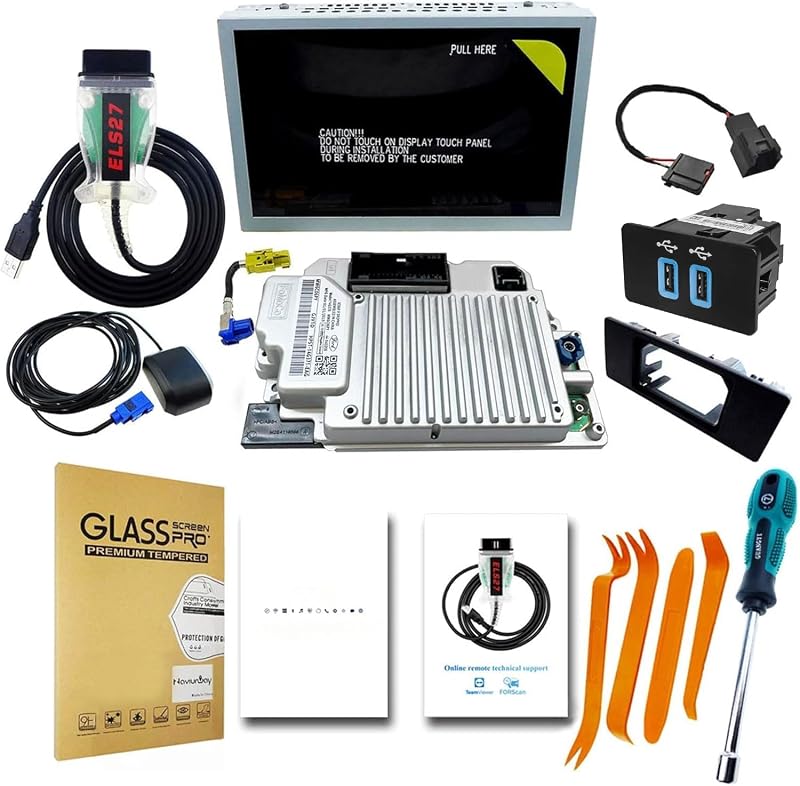
2024 SYNC 2 to SYNC is an automotive replacement kit designed specifically to upgrade Ford and Lincoln vehicle infotainment systems to SYNC 3.4, making it relevant only for motorists looking for an in-dash touch display upgrade rather than home security camera storage.
Blink Outdoor XR+ is a complete single-camera outdoor security system featuring proprietary XR extended range technology and broad coverage, making it suitable for buyers who need to purchase physical camera hardware rather than standalone local memory cards.
FAQ 193 words
Does this MicroSD card work in the Blink Sync Module 2?
No, the listing confirms that this MicroSD card is not compatible with the Sync Module 2 or legacy Sync Modules, which utilize external USB ports instead of a dedicated MicroSD slot.
How many Blink cameras can save video to the 256GB card?
The MicroSD card supports local video storage, viewing, sharing, and downloading for up to 10 connected Blink cameras linked to a single Sync Module XR.
Are there any monthly subscription fees required to access local clips?
No monthly subscription or cloud storage fees are required to store, view, download, or share video clips saved locally to the MicroSD card inside the Sync Module XR.
Can I use this local storage card with older Blink XT or XT2 cameras?
No, the product listing explicitly states that local video storage functionality is not compatible with Blink XT, Blink XT2, or legacy Indoor camera models.
What read and write speed class does this MicroSD card feature?
The listing does not specify the exact speed class rating, bus standard, or read/write transfer rates for this 256GB card beyond its official compatibility with the Sync Module XR.
The other listings this review names
-
4.1/5 Amazon buyer average 3 spec fields
-

4.9/5 Amazon buyer average 6 spec fields